 -> I learned how to use and build these banners that appear as you scroll down, and adding them improved the look of the page. I got help from a few Stack Overflow threads for them.
HELLBLADE SENUA'S SACRIFICE
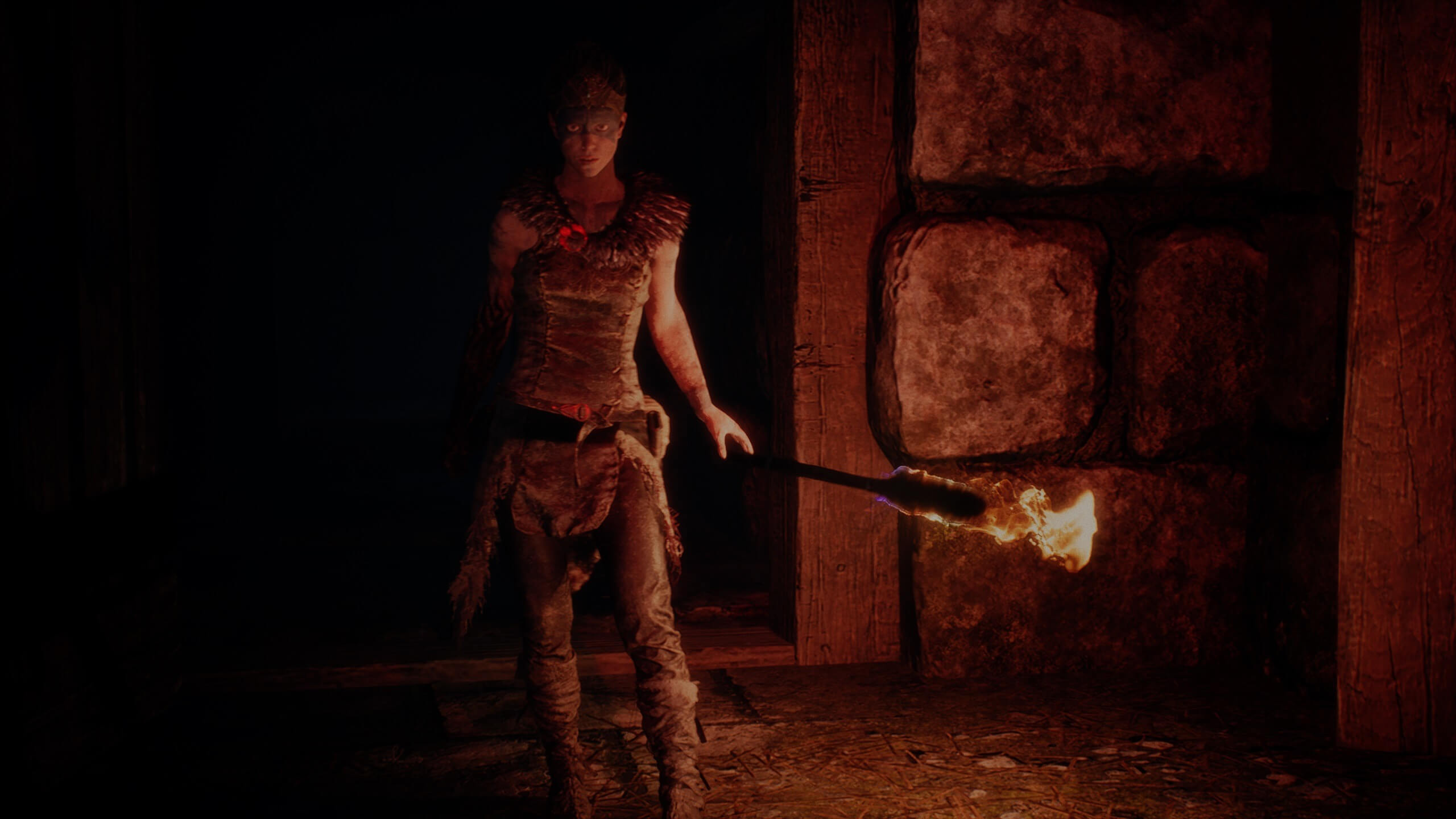
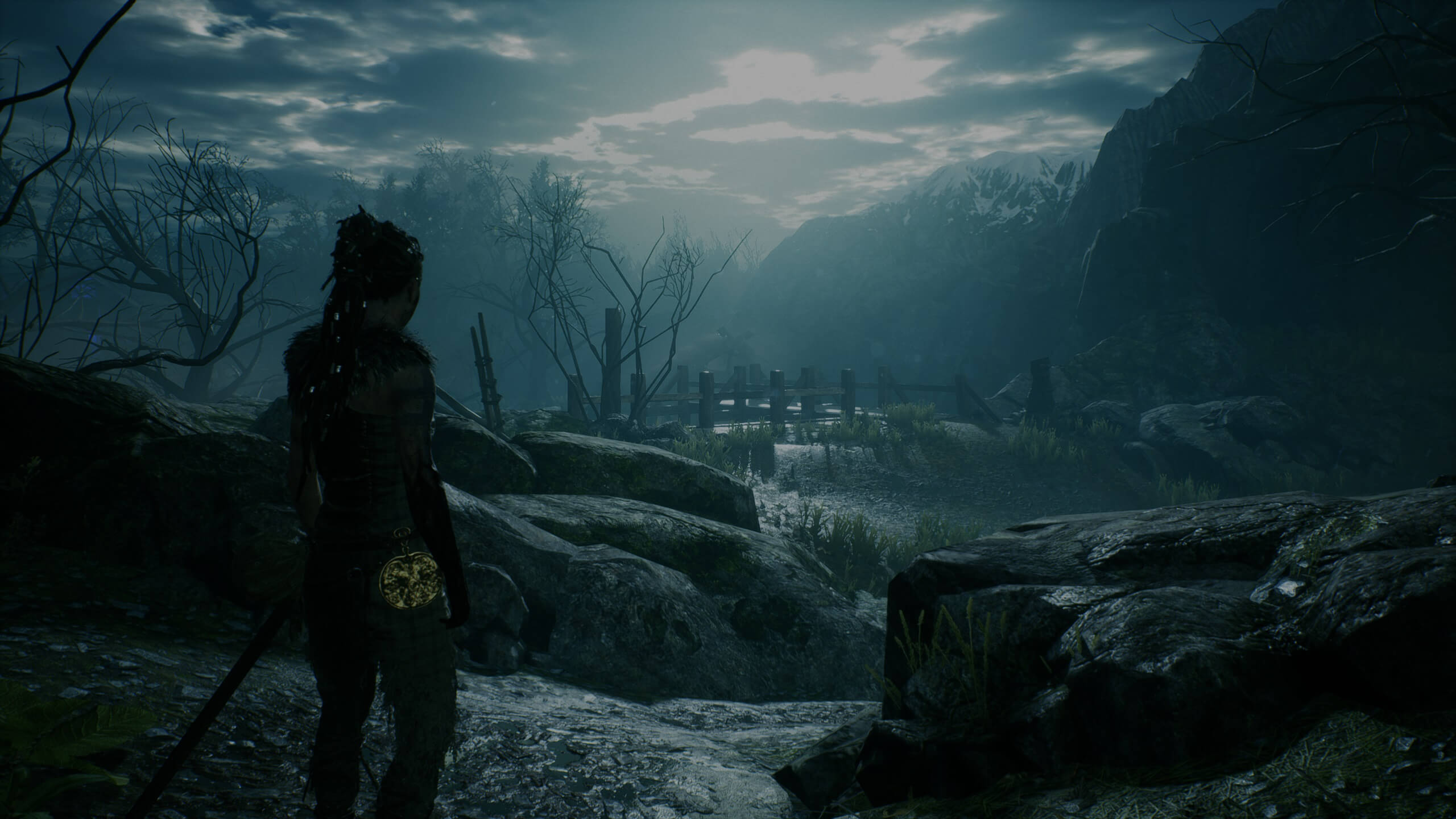
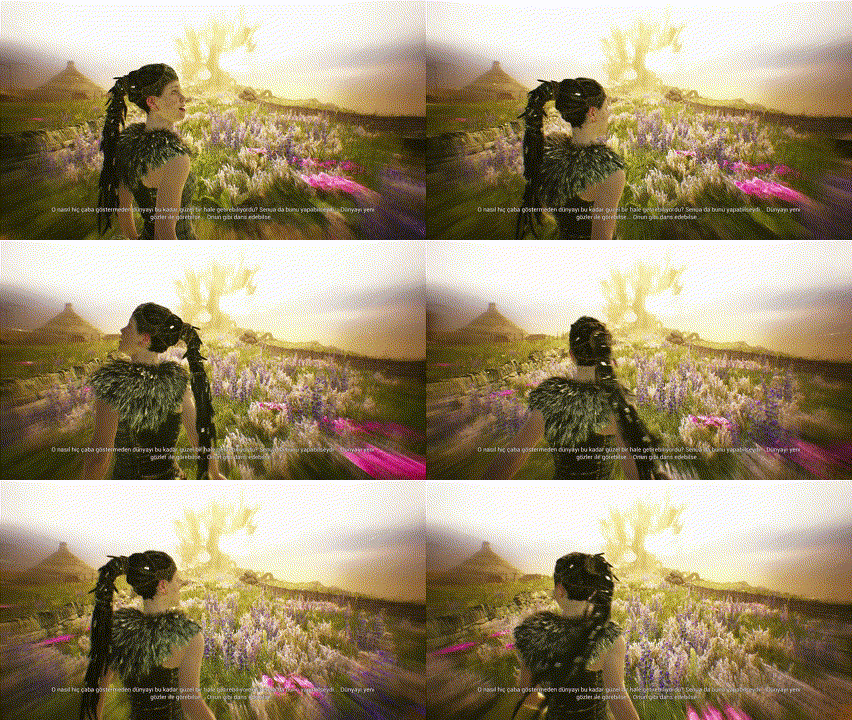
Opening in an atmosphere that is almost too calm yet equally unsettling, Hellblade: Senua's Sacrifice, begins with Senua rowing a makeshift log boat across a misty, chilling river. As she moves on, the voices from around her already spark curiosity about the story.
Hel will not give you the answers you want, but you must not turn away from the horror she offers, because if you refuse to look at it, you cannot overcome the pain!
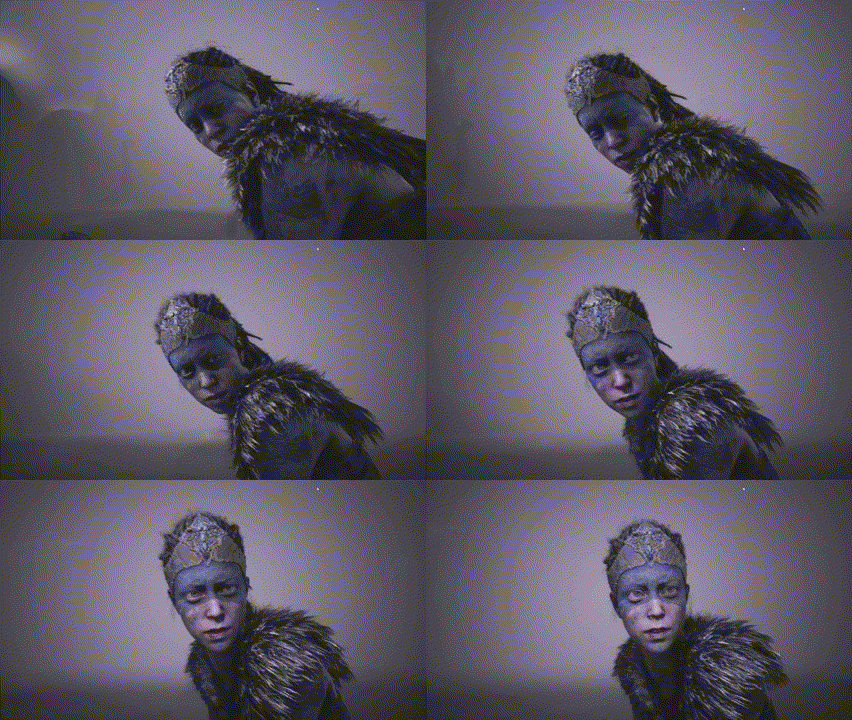
A skilled Pict warrior, Senua's most defining trait is that she lives with severe psychosis. Given the medieval period she inhabits—with no concept of psychology as a science, and under her tribe's religious and superstitious beliefs—Senua has been told by her father since childhood that a darkness is growing inside her, and she is cast out by her people. Sadly, she is held responsible for every misfortune that befalls them; every disaster that hits the tribe (plagues, war raids, and so on) is blamed on her. Senua's harsh journey begins when she loses Dillion, the lover who meant so much to her. Having known love in the tribe only from Dillion, her illness worsens with the pain and trauma of losing him, leaving lasting damage on her mind.
The hardest battles are fought not with the sword, but with the mind.
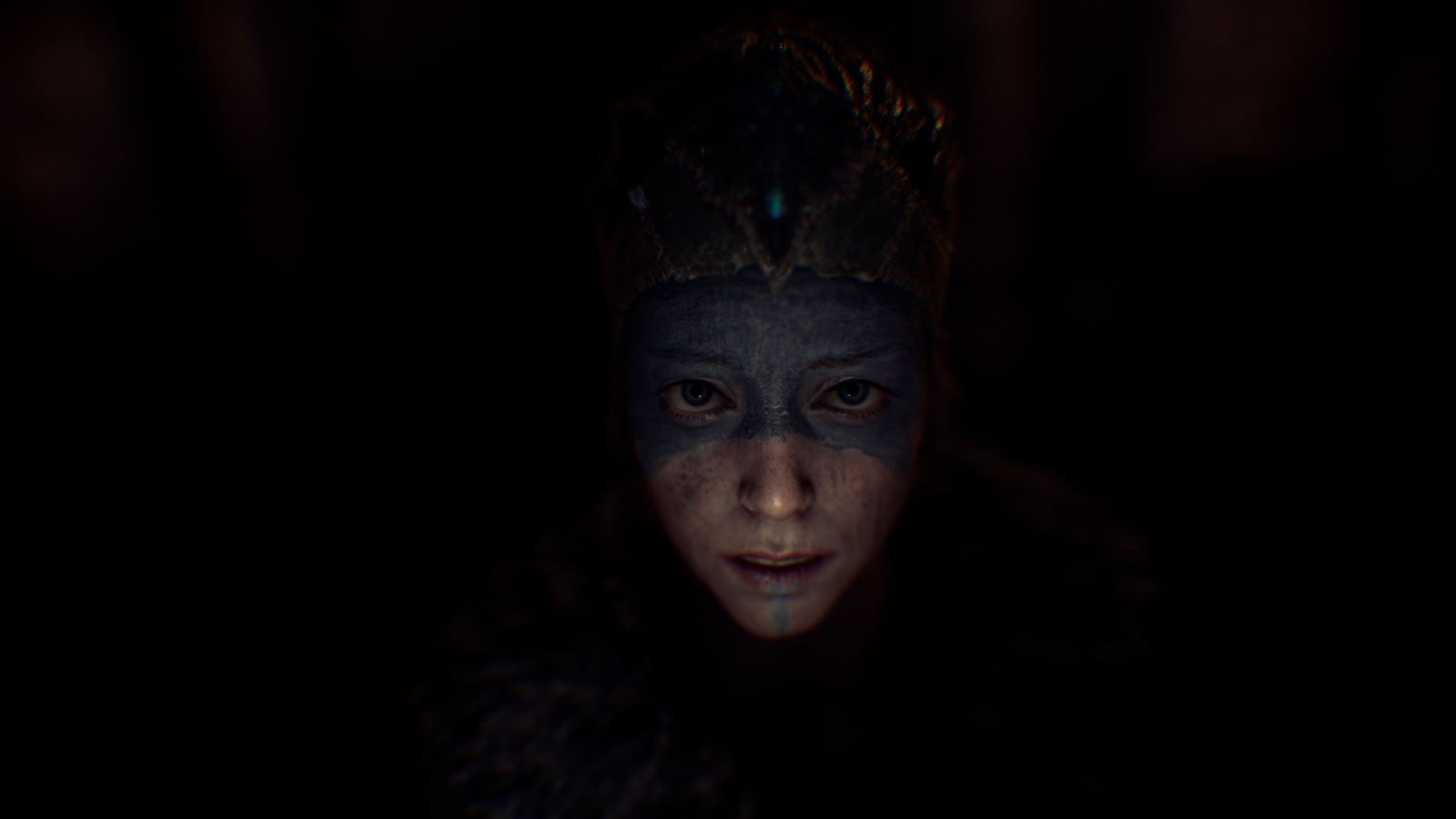
This section contains some spoilers about the game. If you'd rather not spoil more, you can skip this paragraph :) Because of her psychosis, Senua constantly hears voices around her and sees hallucinations she can't tell are real. Away from her tribe on a mission, she returns to find it devastated by a Viking raid and a massacre. Running to her lover, she finds Dillion hanging from a wooden structure, savagely torn apart—and that trauma and horror push her illness much further. Learning that Viking religious belief drove the atrocity, and that every victim—including Dillion—was sacrificed to Hela, Senua sets out for the terrifying realm of the dead, Hellheim, hoping to bargain with Hela and save her lost love. That's exactly where the game meets us, and we plunge straight into hell.
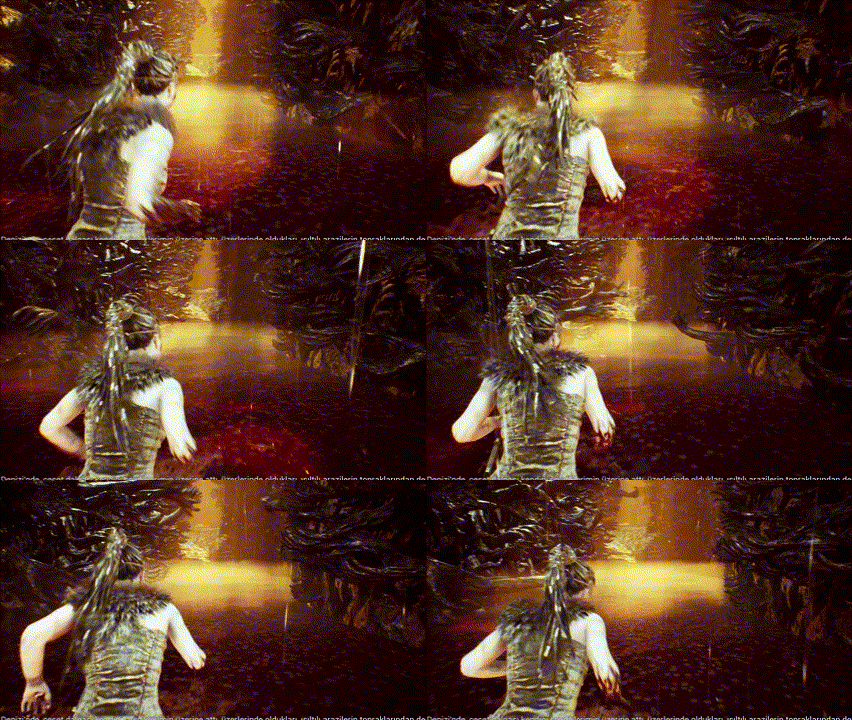
Courage only means something to those who fear death. Senua's fear runs much, much deeper
Developed by the independent studio Ninja Theory, Hellblade: Senua's Sacrifice came from a team of about 20 people—small by any measure. Despite the size, Hellblade succeeds in character design, music, and environments, with graphics and audio that feel strikingly real. Packed with elements from Norse mythology (Ymir, Odin, giants, Thor, the World Serpent, and more..), its most compelling feature is the never-silent environmental voices Senua hears from the left and right inside her mind. Those voices help us share her illness, character, and thoughts as we play, and in a way turn the game into a simulation of psychosis. With that audio technology, playing with headphones is important for immersing yourself. But the team decided technical tricks alone weren't enough and made a bold narrative choice: right at the start, they warn us. After your first death, a darkness wraps around Senua's arm, and the game tells us "The darkness on Senua's arm will keep spreading every time she dies; when it reaches her brain, all your saved progress and data will be erased!".
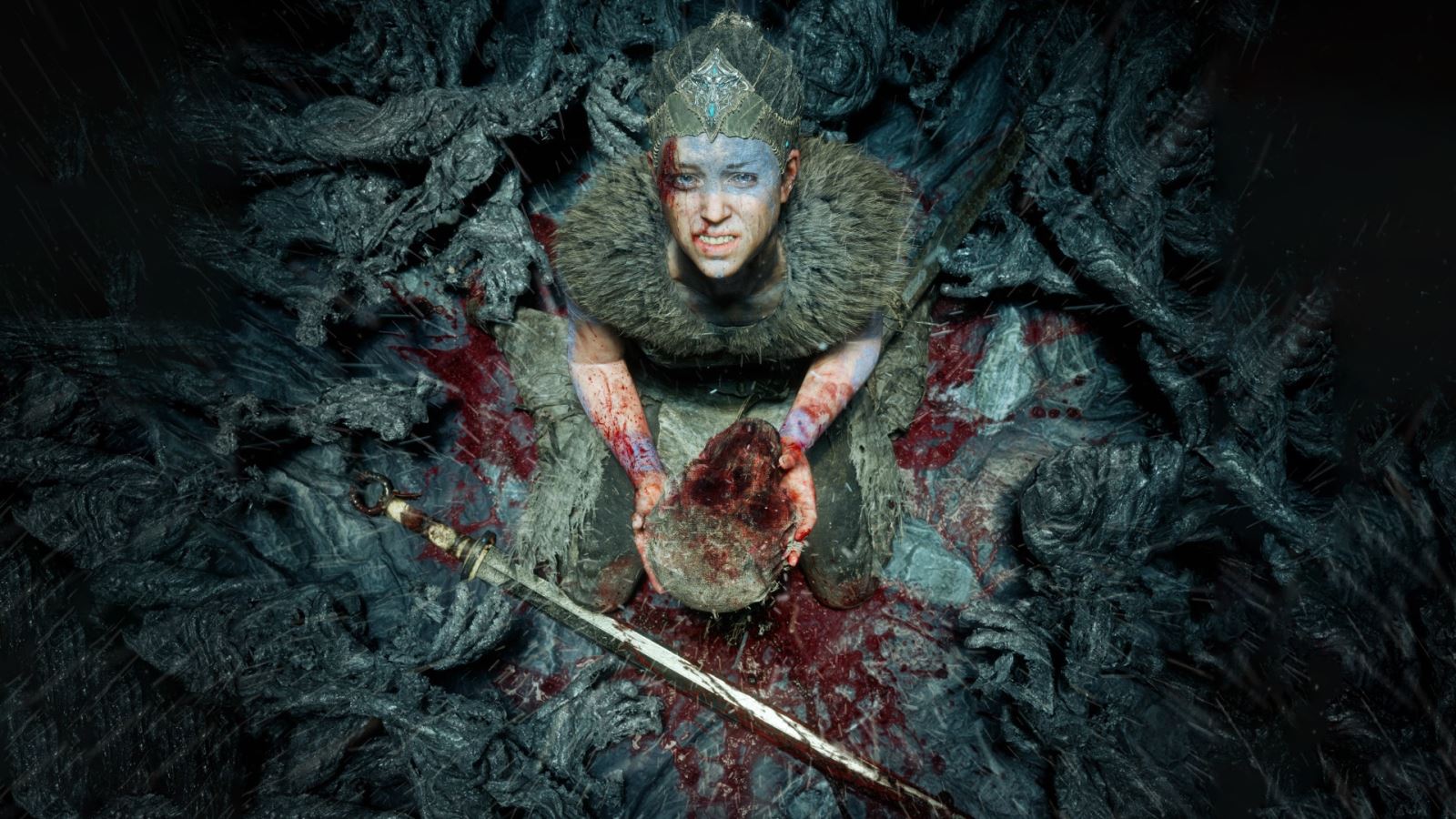
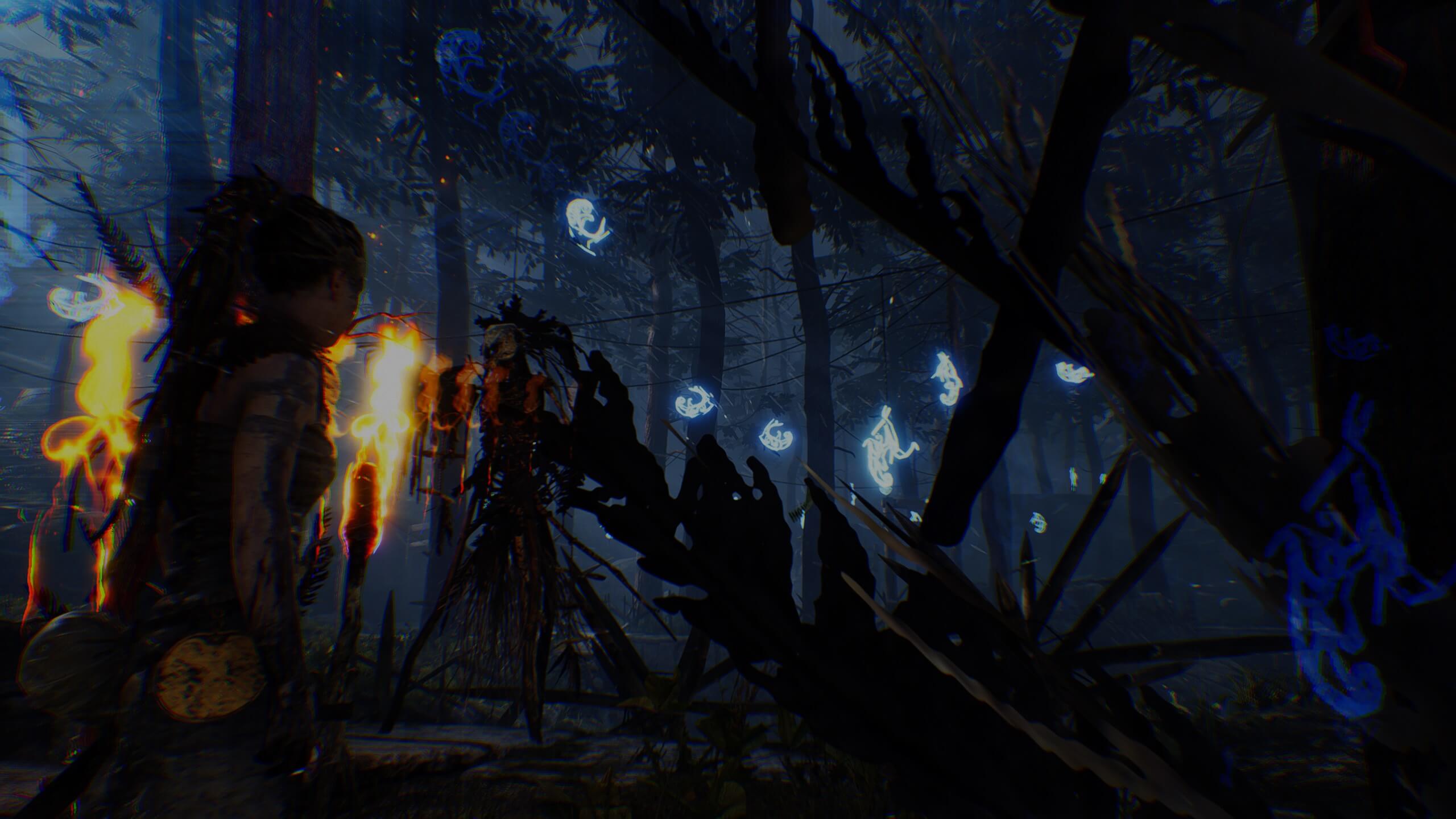
Perhaps that warning helps us empathize even more with Senua, who has believed since childhood that darkness is growing inside her. Despite being a short game, Hellblade keeps us as uneasy as Senua herself, wondering what comes next at every moment. The voices from the environment also act like Senua's sixth sense and help in combat. The combat mechanics are a bit basic, but a few buttons let you take enemies down; for foes coming from behind, the psychosis voices warn us with "Behind you," "Watch out, Senua," and the like, so we can hit the right button at the right time and escape. The puzzle design, though it grows repetitive after a while, is illusion-focused: to open certain doors guarded by runes, you need to view shapes in the environment from the right angle. Those shapes draw on how people with psychosis can turn a problem into an obsession they must solve—and the game offers a philosophical take on how to deal with those obsessions.
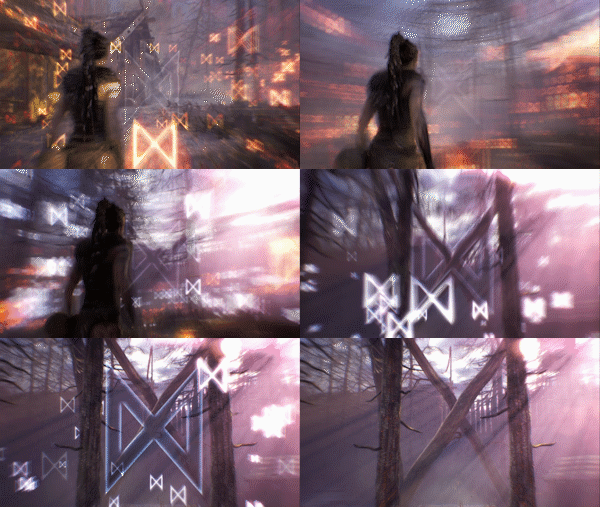
Hellblade: Senua's Sacrifice, along its linear story—perhaps because of the short ~8-hour playtime—never really helps with puzzles or navigation (I often walked the same places over and over without knowing what to do..). Yet even with combat sequences that start repeating, and illusion puzzles that aren't very hard but are quite nice (and also eventually repeat), it never gets boring. With the never-silent voices, a gripping, curiosity-driving story, and a short runtime that leaves you wanting more, it becomes a game you absolutely should play.
Thanks for reading this far—have a great day, friends! :)
- Hello?!
- Who are you?!
- It doesn't matter—you're safe with me!
- Let me tell you a little about Senua!